

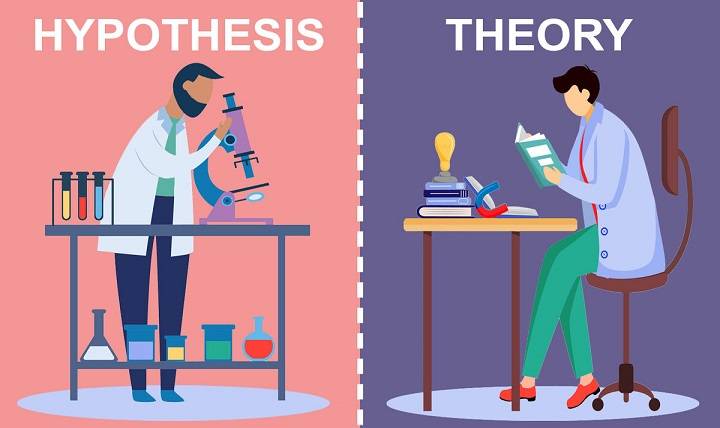
A scientific theory is a carefully thought-out explanation for an observation about the natural world. It is created through the scientific method and combines a number of hypotheses and facts. In my previous blog post, I discussed the differences between a hypothesis and a scientific theory and how to distinguish between the two. A hypothesis is an idea that can be tested by observation or experiment. A scientific theory is the product of many years of research and careful thought.
Scientific theories are internally
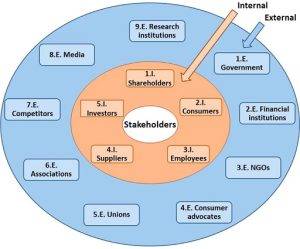
Externally complex, with multiple components, both formal and nonformal. As a result, proper analysis of grammar and semantics must take account of the multifarious assumptions, purposes, and values inherent to scientific theory. Nevertheless, there is still room for both types of analysis, and the various approaches should be considered in tandem. In the end, you’ll need to draw conclusions about the meaning of scientific theory using different methods.
Theories are structured
Laws that govern the way they take on states. The laws of succession and coexistence determine trajectories through space, while the laws of interaction combine several laws of succession. For example, a population genetics model combines the laws of selection and genetic drift. Although different models of a given theory will share some dimensions of state space, they will be distinct in other ways. There are many differences between theories, and a clear distinction between these two approaches is essential to understanding the structure of a theory.
Theories are backed by many strands of evidence. They must be accurate and close to reality. They must also be falsifiable. A superseded theory is a theory that was once accepted by the scientific community but has been proven wrong. The superseded theory of evolution, by Lamarck, has become a pseudo-scientific theory. It uses the example of giraffes in explaining how evolution happened. This theory holds that giraffes will produce offspring with longer necks.
A successful scientific theory will be based on empirical evidence and be falsifiable. It is important to note that a scientific theory is different from a scientific law. A scientific theory may be developed from many fields of science. And just as an experiment must meet certain standards in order to be valid, the theory must be able to hold up under scrutiny. You need to ensure that the experiment you do meets these standards in order to make a sound theory.